| Monday: | 8:30 AM - 5:30 PM |
| Tuesday: | 8:30 AM - 5:30 PM |
| Wednesday: | 8:30 AM - 5:30 PM |
| Thursday: | 8:30 AM - 5:30 PM |
| Friday: | 8:30 AM - 5:30 PM |
| Saturday: | Closed |
| Sunday: | Closed |


Auto A/C & Heating Repair in Apopka, FL
-
Automotive Climate-Control Diagnosis & Repair
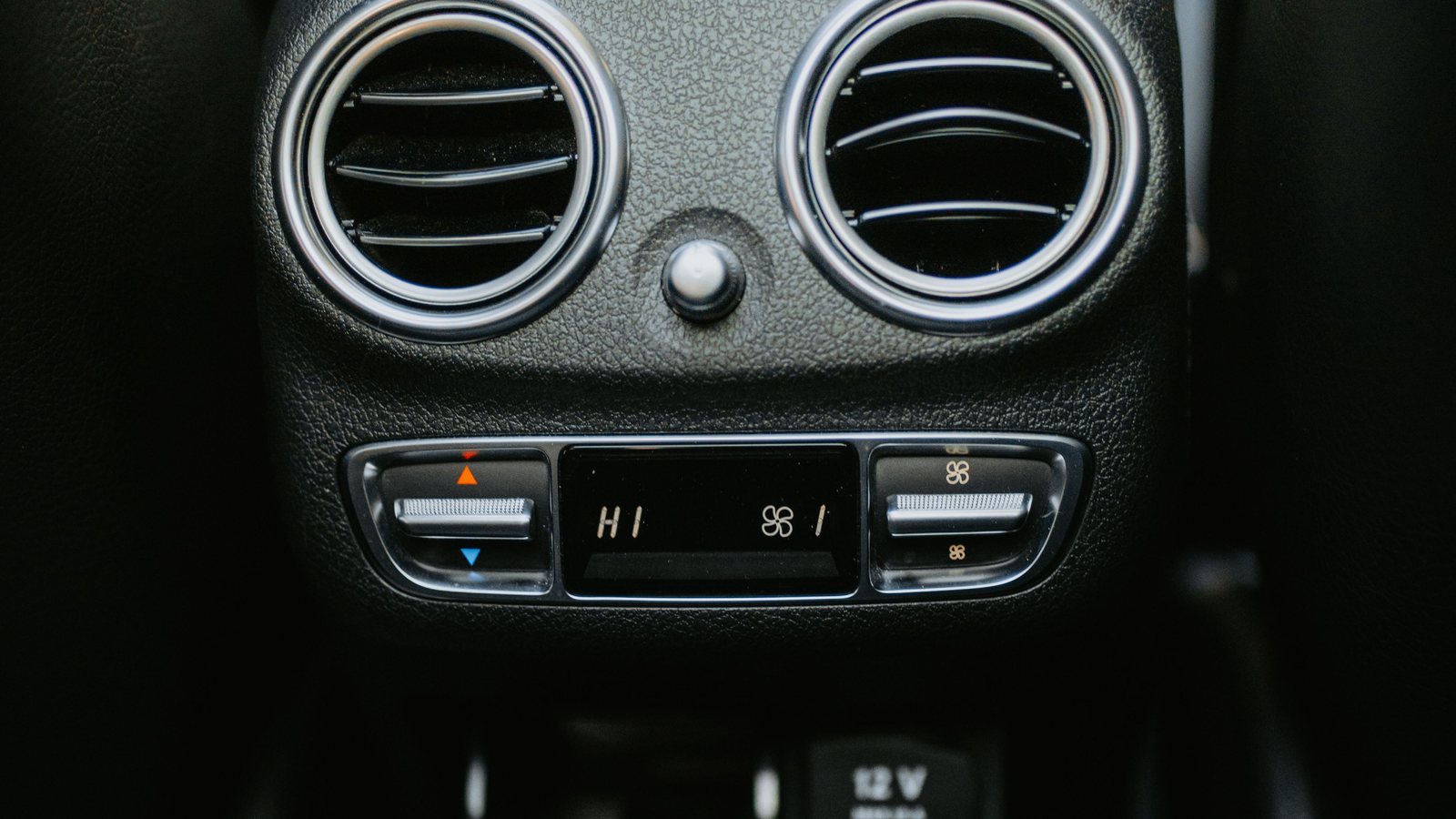
In Apopka, weak air conditioning can turn a normal commute into an uncomfortable drive quickly. The same climate-control system also plays an important role in windshield defogging, airflow control and cabin comfort during cooler weather. J & K Automotive Inc provides automotive A/C and heating diagnosis for vehicles that are not cooling properly, have weak airflow, make unusual noises, produce inconsistent vent temperatures or have electrical climate-control problems. Rather than adding refrigerant without testing, the better approach is to determine why the system is underperforming.
Why car A/C problems need diagnosis, not just a recharge
Automotive air conditioning is a closed refrigeration system. If refrigerant is low, there is often a leak or another service issue that should be identified. Adding refrigerant without understanding the cause may produce temporary cooling but does not correct a leak, and an incorrect charge can reduce performance or damage components.
A proper diagnosis considers refrigerant pressure and temperature behavior, compressor operation, condenser airflow, cooling-fan function, electrical commands and the temperature coming from the vents. Depending on vehicle design and symptoms, the inspection may also involve leak detection, cabin-airflow checks and climate-control actuator testing. Newer vehicles can use different refrigerants and service procedures, so equipment and specifications must match the system being serviced.
Common reasons a car A/C stops blowing cold
Loss of cooling can come from low refrigerant, compressor or control faults, condenser problems, restricted airflow, electrical failures, a malfunctioning pressure sensor, cooling-fan issues or temperature-control doors inside the HVAC housing. A system that is cold while driving but warm at idle may point toward different conditions than one that never cools at all. A system that starts cold and then fades can also require a different test path.
The cabin blower is another part of the comfort system. If airflow is weak even though the air feels cold, the concern may involve a cabin air filter, blower motor, resistor or electronic speed controller, duct restriction or door position. Separating airflow problems from refrigeration problems prevents unnecessary A/C component replacement.
A/C leaks, refrigerant and compressor protection
Refrigerant carries oil through much of the A/C system, and the correct quantity is important for both cooling and component lubrication. Leaks can occur at hoses, seals, service ports, condensers, evaporators and other connections. Some leaks leave visible oil residue; others are too small or hidden to identify without specific leak-testing methods.
Compressor replacement should not be the first assumption when cooling is poor. The compressor needs proper electrical command, correct refrigerant conditions and adequate heat removal at the condenser. If a compressor has failed internally, the repair plan may need to address contamination elsewhere in the system. Diagnosis helps determine whether the fault is a control issue, leak, airflow problem or actual mechanical compressor failure.
Heating, defrost and temperature-control problems
Vehicle heat generally depends on engine coolant flowing through a heater core, while doors inside the HVAC housing direct air through or around that core to regulate temperature. A car that has no heat can have a low coolant level, thermostat issue, heater-control problem, restricted heater core, blend-door fault or other cooling-system condition. Because some of those issues also affect engine temperature, a heating complaint should not automatically be treated as a cabin-only problem.
Defrost performance is important in humid Florida weather. The climate-control system often uses A/C operation to remove moisture from cabin air even when heat is selected. If windows fog excessively or airflow does not reach the windshield correctly, blower, door-control or A/C problems may be involved.
Signs your vehicle needs climate-control service
Schedule A/C or heating diagnosis if vent temperature is no longer consistent, cooling takes much longer than it used to, the system only works while moving, airflow is weak, the blower works only on certain speeds, you hear clicking or grinding behind the dashboard, a musty odor persists, or water appears in an unusual location inside the cabin. If the engine temperature gauge is also running hot, mention that when you call because the engine cooling system and cabin heater can be related.
Do not ignore a new belt squeal, burning smell or loud compressor noise when the A/C is switched on. Turning the system off and having it inspected can help prevent additional damage when a rotating component is beginning to fail.
A/C repair for Apopka heat and humidity
Central Florida heat places a heavy demand on automotive A/C systems for much of the year. High ambient temperature makes condenser airflow, cooling-fan operation and a correct refrigerant charge especially important. Humidity adds the need for effective moisture removal and windshield clearing. Maintaining the climate-control system is therefore about both comfort and visibility.
J & K Automotive Inc lists heating and cooling services along with electrical and general repair. The shop is an ASE Certified Shop and ACDelco Repair Center located at 1012 E Semoran Blvd in Apopka. If your A/C is not keeping up, call with the vehicle information and describe exactly when the problem occurs.
Cabin air filters, blower performance and indoor air comfort
Many vehicles use a cabin air filter to trap dust, pollen and debris before outside air reaches the passenger compartment. As the filter loads with debris, airflow can drop even when the blower motor sounds normal. A restricted filter can make the A/C feel weaker because less cooled air reaches the vents, and it can also reduce defrost performance. Replacement intervals vary with the vehicle and driving environment, so the filter should be inspected rather than changed solely because a generic mileage has been reached.
The blower system has its own electrical and mechanical components. A blower that works only on high speed, stops intermittently or makes scraping noises may have a motor, resistor, electronic controller, connector or debris problem. These faults are separate from refrigerant charge. Testing airflow and blower operation before opening the refrigeration system can prevent an unnecessary recharge when the actual complaint is poor air movement.
Water drainage also matters in humid Central Florida. Moisture removed from cabin air normally condenses on the evaporator and drains beneath the vehicle. A blocked drain can allow water to collect in the HVAC case and may contribute to odors or wet carpeting. If you notice water inside the passenger compartment, persistent musty smells or sloshing sounds behind the dashboard, mention those details when scheduling the A/C inspection so the drainage and air-distribution system can be checked along with cooling performance.
Call J & K Automotive to make a service appointment
For service in Apopka, call (407) 880-3530. Tell us your vehicle year, make and model and describe the maintenance need, warning light or symptom you want checked.
Frequently Asked Questions
Possible causes include low refrigerant from a leak, compressor or control problems, condenser airflow issues, a cooling-fan fault, sensor or electrical problems, or a temperature-control door inside the HVAC system. Pressure and temperature testing helps determine which part of the system is actually causing the loss of cooling.
Maybe, but low refrigerant usually means the system has lost charge through a leak or service issue. Simply adding refrigerant can mask the cause and an incorrect charge can hurt performance. The system should be evaluated to determine whether it is low and why.
That pattern can be associated with condenser airflow, cooling-fan operation, refrigerant conditions or compressor performance, among other causes. Because vehicle speed increases airflow through the condenser, the symptom is useful diagnostic information. Tell the technician that cooling changes specifically at idle.
A clogged cabin filter, blower-motor problem, failed speed-control component, restricted ducting or malfunctioning air-distribution door can reduce airflow. Weak airflow is not always a refrigerant problem, so blower and HVAC-box operation should be checked.
Yes. Many vehicles run the air-conditioning system during defrost to remove moisture from cabin air before it reaches the windshield. A/C, blower or door-control problems can therefore contribute to slow defogging in humid conditions.
Low coolant, thermostat problems, heater-core restriction, heater valves on some vehicles, blend-door faults and other cooling-system issues can reduce cabin heat. If the engine temperature gauge is abnormal at the same time, mention that immediately because the concern may involve engine cooling as well.
Odors can come from moisture and debris around the evaporator, a dirty cabin filter, outside contamination or, in some cases, a fluid leak. The type of smell and when it occurs help determine the source. A sweet smell accompanied by windshield film or coolant loss deserves prompt inspection.
Call J & K Automotive Inc at (407) 880-3530. Tell the shop whether the problem is warm air, weak airflow, inconsistent cooling, noise, odor, defrost trouble or lack of heat, and provide the vehicle year, make and model.
-
J & K Automotive Inc
Phone: (407) 880-3530
Location
1012 E Semoran Blvd
Apopka, FL 32703
Business Hours
Today 8:30 AM - 5:30 PM
Monday - Friday 8:30 AM - 5:30 PM
Weekends Closed
Our Services
-
- 4x4 Services
- Wheel Alignment
- Auto Detailing
- Brakes
- Car & Truck Care
- Collision Repair Services
- Domestic Cars & Trucks
-
- Electric and Hybrid Vehicle
- Electrical Services
- Electronic Services
- Engine & Transmission
- Engine Maintenance
- General Services
- Heating and Cooling Services
-
- Import Cars & Trucks
- Miscellaneous Services
- Quick Lube Services
- Tires
- Towing
- Transmission Services
- Under-car Services
CALL US TODAY!(407) 880-3530
-
Location
-
Business Hours
Today 8:30 AM - 5:30 PM
Mon - Fri 8:30 AM - 5:30 PM
Weekends Closed -
We Accept
-
Find Us On





© J & K Automotive Inc All Rights Reserved. Powered by: Local Internet