| Monday: | 8:30 AM - 5:30 PM |
| Tuesday: | 8:30 AM - 5:30 PM |
| Wednesday: | 8:30 AM - 5:30 PM |
| Thursday: | 8:30 AM - 5:30 PM |
| Friday: | 8:30 AM - 5:30 PM |
| Saturday: | Closed |
| Sunday: | Closed |


Tire Repair & Replacement in Apopka, FL
-
Tire Service, Balancing & Alignment Support
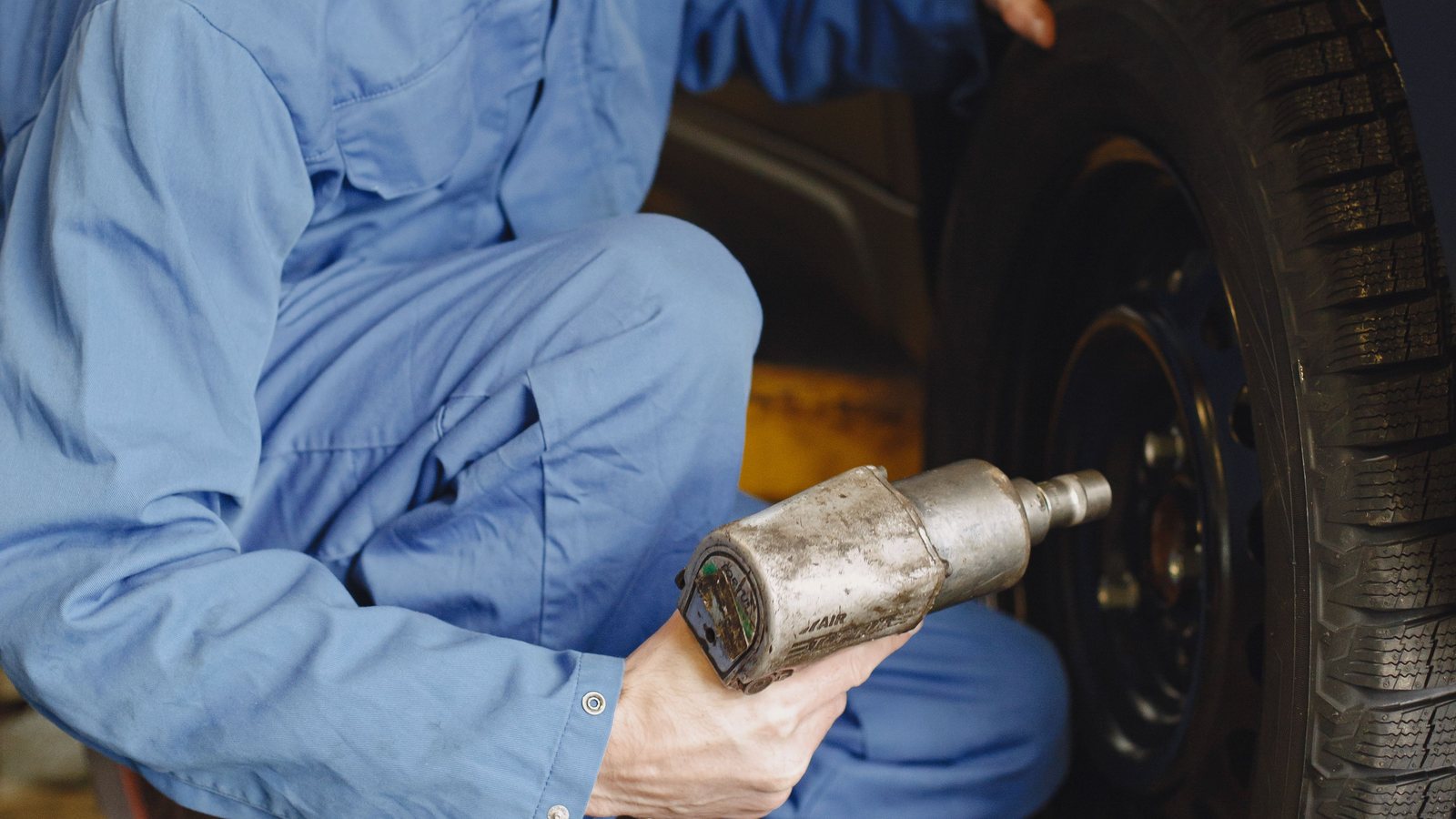
Tires are the only parts of the vehicle that normally touch the road, so tread condition, inflation, balance and alignment directly affect braking, steering and wet-weather control. J & K Automotive Inc provides tire service for Apopka drivers who need a puncture evaluated, a worn or damaged tire replaced, a vibration diagnosed or uneven wear checked. Because the shop also provides wheel alignment and general auto repair, tire problems can be evaluated in the context of the suspension, steering and overall condition of the vehicle rather than treated as an isolated symptom.
When a tire can be repaired and when replacement is safer
Not every flat tire should be repaired. Whether a puncture is a candidate for repair depends on the location and size of the damage, the remaining tread, the internal condition of the casing and whether the tire has been driven while severely underinflated. Damage in the sidewall or shoulder area, exposed cords, large cuts, impact bubbles and evidence that the tire was run flat can make replacement the safer choice. A technician should inspect the tire rather than deciding from the outside alone.
If replacement is needed, the new tire must be appropriate for the vehicle's load, speed and size requirements. Mixing tires with very different tread depths or characteristics can affect handling, particularly on all-wheel-drive vehicles where manufacturers may specify limits on circumference differences. The goal is not simply to fit a tire that physically mounts to the wheel; it is to preserve predictable steering, braking and drivetrain operation.
Why Florida heat and rain make tire condition important
Apopka drivers deal with high pavement temperatures, intense summer heat and heavy rain. Heat can increase tire pressure during operation and can accelerate deterioration in already aged or damaged rubber. Rain exposes a different problem: tires with insufficient tread have less ability to channel water away from the contact patch, increasing the risk of hydroplaning. Correct cold inflation pressure and usable tread depth are therefore important year-round.
Pressure should be set to the vehicle manufacturer's placard specification rather than the maximum number molded into the tire sidewall. The placard is usually located in the driver's door area. Checking pressure when tires are cold provides the most useful reading. If one tire repeatedly loses pressure while the others remain stable, inspect it for a puncture, leaking valve, wheel problem or bead-sealing issue instead of simply adding air every few days.
Tire balancing, vibration and wheel alignment
A steering-wheel shake or seat vibration at road speed can be caused by wheel imbalance, a tire with internal damage, a bent wheel, uneven wear, worn suspension components or other rotating parts. Balancing addresses weight distribution in the tire-and-wheel assembly, but it will not correct every vibration. A technician should consider when the vibration occurs, whether it changes under braking or acceleration, and whether recent tire or suspension work has been performed.
Wheel alignment addresses the angles at which the wheels contact the road. Alignment can be affected by impacts, worn steering or suspension parts and normal component movement over time. Common clues include a vehicle that pulls, a steering wheel that is off-center on a level road, feathered tread or rapid wear on one edge of a tire. J & K Automotive lists wheel alignment among its services, allowing tire-wear concerns to be checked alongside the chassis conditions that may be causing them.
Common signs you should schedule tire service
Schedule a tire inspection if a tire loses pressure repeatedly, you find a nail or screw, the tread is near the wear indicators, the sidewall has a bulge or cut, the vehicle vibrates at speed, the steering wheel is no longer centered, or one tire is wearing much faster than the others. A tire-pressure monitoring system warning should also be checked rather than ignored, especially before highway driving or severe weather.
Unusual wear patterns can provide useful diagnostic information. Wear on both shoulders can point to chronic underinflation; center wear can be associated with overinflation; cupping may be related to balance, damping or suspension conditions; and one-sided wear can indicate alignment or component issues. The pattern does not replace an inspection, but it helps guide the next checks.
Tire rotation and protecting the value of a new set
Tires rarely wear at exactly the same rate on all four corners. Front-wheel-drive vehicles commonly place greater steering and drive loads on the front tires, while rear-wheel-drive and all-wheel-drive layouts distribute loads differently. Rotation at the appropriate interval helps even out tread wear when the tire design and vehicle configuration allow it. Some directional or staggered-fitment tires have restricted rotation patterns, so the correct method depends on the vehicle.
After installing tires, maintain cold inflation pressure, investigate new vibrations promptly and have alignment checked when wear patterns or steering behavior suggest a problem. A new set of tires can be wasted quickly if a worn suspension component or major alignment issue is left uncorrected.
Why Apopka drivers choose a full-service shop for tire concerns
J & K Automotive Inc is an ASE Certified Shop and ACDelco Repair Center at 1012 E Semoran Blvd in Apopka. In addition to tires, the shop provides wheel alignment, brakes, under-car service and general mechanical repair. That breadth matters when the symptom that looks like a tire problem is actually connected to steering, suspension, brakes or another component.
If you need a flat inspected, tires replaced or uneven wear diagnosed, call ahead with the vehicle year, make and model and the tire concern you are experiencing. If you know the current tire size or have a preferred replacement type, mention that when scheduling.
How tread depth, tire age and road damage affect replacement decisions
Tread depth is only one part of tire condition. A tire may still show measurable tread yet need replacement because of sidewall cracking, impact damage, exposed cords, abnormal wear or age-related deterioration. Tire age can be checked from the DOT date code molded into the sidewall, but there is not one universal replacement age that overrides every manufacturer recommendation. Vehicle makers and tire manufacturers may publish inspection or replacement guidance for their products, so age should be considered along with storage, climate, visible condition and service history.
Road impacts are another concern. A pothole or curb strike can damage a tire internally even when the outside does not immediately look flat. New vibration, a sidewall bubble, steering changes or sudden pressure loss after an impact should be inspected. A wheel can also bend during the same event, and the alignment can move far enough to create rapid tire wear. Evaluating the tire, wheel and alignment together is more useful than replacing a damaged tire while leaving the underlying impact-related problem uncorrected.
When buying replacement tires, compare more than price. Correct size, load capacity, speed rating, traction characteristics and compatibility with the other tires on the vehicle all matter. For Apopka drivers who spend much of the year on hot pavement and regularly encounter heavy rain, dependable wet traction and proper inflation are especially important. J & K Automotive can inspect the current tires and help identify whether the immediate need is repair, replacement, balance, rotation, alignment or a combination of services.
Call J & K Automotive to make a service appointment
For service in Apopka, call (407) 880-3530. Tell us your vehicle year, make and model and describe the maintenance need, warning light or symptom you want checked.
Frequently Asked Questions
No. Repairability depends on where the puncture is located, its size, the tire’s remaining tread and whether the tire was damaged by being driven while underinflated. Sidewall and shoulder damage generally require a different decision than a small puncture in the repairable tread area. The tire should be inspected before a repair is approved.
Common possibilities include a puncture, leaking valve stem or valve core, corrosion or damage at the wheel bead area, a cracked or bent wheel, or temperature-related pressure changes that are exposing an existing slow leak. If the same tire repeatedly needs air, have it inspected rather than relying on repeated top-offs.
Wheel imbalance is one common cause, but it is not the only one. A damaged tire, bent wheel, uneven tread, worn suspension part or another rotating component can create similar symptoms. The speed at which the vibration begins and whether it changes under braking or acceleration help guide diagnosis.
Clues include a steering wheel that sits off-center while driving straight, pulling or drifting on a level road, feathered tread, or rapid wear on the inside or outside edge of a tire. Alignment should also be considered after certain suspension repairs or a significant impact with a pothole or curb.
The answer depends on tread depth, vehicle drivetrain, tire type and manufacturer requirements. Some all-wheel-drive systems are sensitive to large differences in tire circumference. A technician can compare the remaining tires and help determine whether one, two or four replacements are appropriate.
Use the cold inflation pressure listed on the vehicle manufacturer’s tire placard, usually found in the driver’s door area, unless the manufacturer specifies otherwise. Do not use the maximum pressure molded on the tire sidewall as the normal target pressure.
Most conventional tire setups can be rotated, but directional tires, staggered front-and-rear sizes and certain specialty fitments may have limited rotation patterns. The proper approach depends on the tire design and vehicle configuration.
Call J & K Automotive Inc at (407) 880-3530. Describe whether you have a flat, pressure loss, vibration, uneven wear, steering pull or a replacement need. Providing the vehicle year, make and model helps the shop prepare for the appointment.
-
J & K Automotive Inc
Phone: (407) 880-3530
Location
1012 E Semoran Blvd
Apopka, FL 32703
Business Hours
Today 8:30 AM - 5:30 PM
Monday - Friday 8:30 AM - 5:30 PM
Weekends Closed
Our Services
-
- 4x4 Services
- Wheel Alignment
- Auto Detailing
- Brakes
- Car & Truck Care
- Collision Repair Services
- Domestic Cars & Trucks
-
- Electric and Hybrid Vehicle
- Electrical Services
- Electronic Services
- Engine & Transmission
- Engine Maintenance
- General Services
- Heating and Cooling Services
-
- Import Cars & Trucks
- Miscellaneous Services
- Quick Lube Services
- Tires
- Towing
- Transmission Services
- Under-car Services
CALL US TODAY!(407) 880-3530
-
Location
-
Business Hours
Today 8:30 AM - 5:30 PM
Mon - Fri 8:30 AM - 5:30 PM
Weekends Closed -
We Accept
-
Find Us On





© J & K Automotive Inc All Rights Reserved. Powered by: Local Internet