| Monday: | 8:30 AM - 5:30 PM |
| Tuesday: | 8:30 AM - 5:30 PM |
| Wednesday: | 8:30 AM - 5:30 PM |
| Thursday: | 8:30 AM - 5:30 PM |
| Friday: | 8:30 AM - 5:30 PM |
| Saturday: | Closed |
| Sunday: | Closed |


Check Engine Light Diagnostics in Apopka, FL
-
Computer Scans, Electrical Testing & Driveability Diagnosis
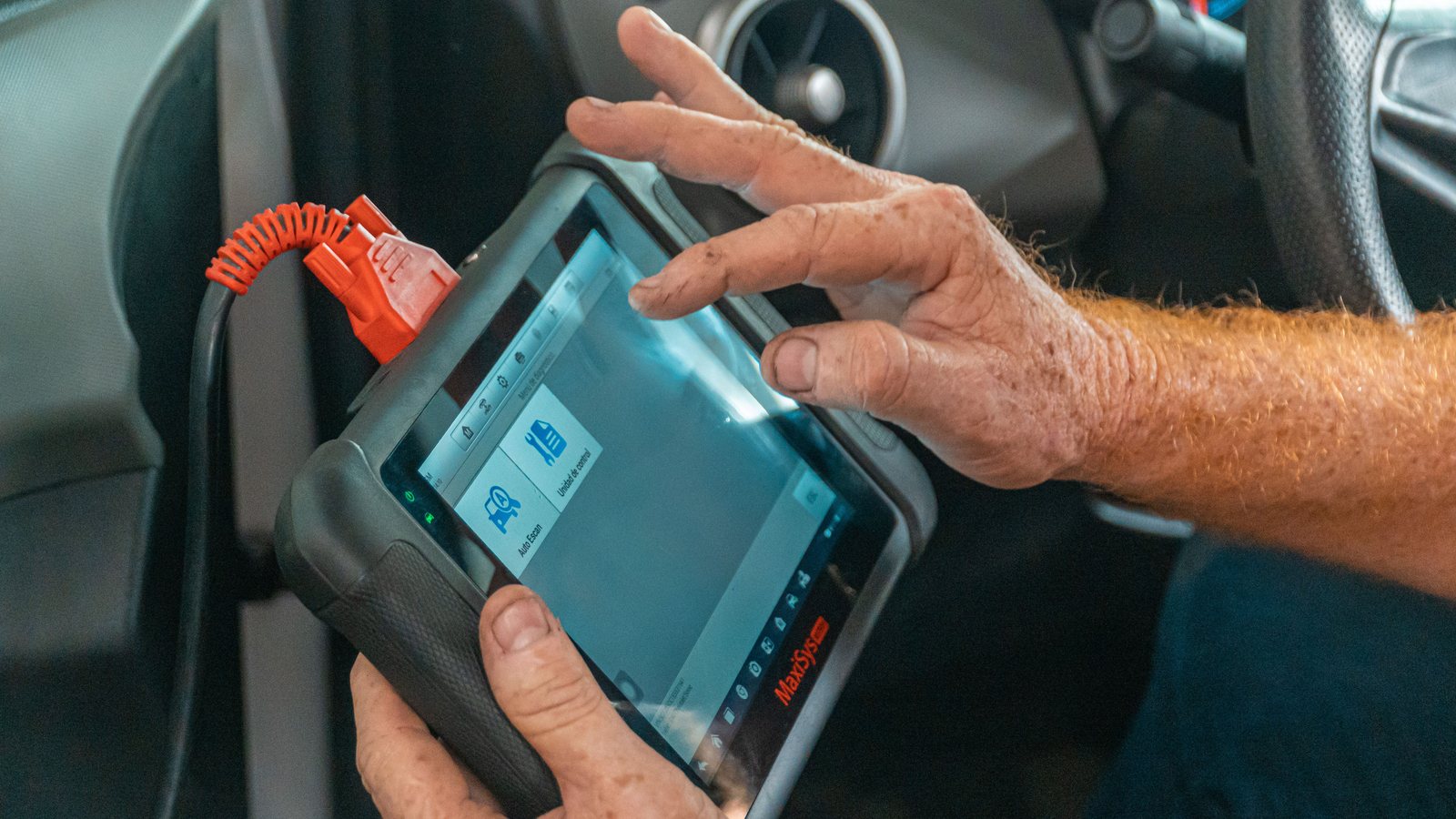
A check engine light does not tell you which part to replace. It tells you the vehicle's computer has detected a condition outside the expected operating range and stored diagnostic information that can guide further testing. J & K Automotive Inc provides check engine light diagnostics in Apopka for vehicles with warning lights, rough running, reduced power, poor fuel economy, hard starting, stalling or other driveability problems. The diagnostic process can combine a scan tool with electrical testing, visual inspection, live data and mechanical checks so the repair is based on evidence rather than guesswork.
Why a code scan is only the first step
OBD-II trouble codes are designed to point technicians toward a system or detected condition. A code may identify a misfire on one cylinder, a fuel-trim problem, an evaporative-emissions leak, a catalyst-efficiency concern, a sensor-circuit fault or many other categories. The code generally does not prove that the component named in the description has failed.
For example, a lean-condition code can be caused by unmetered air, low fuel delivery, an exhaust leak, inaccurate sensor data or another condition affecting the air-fuel calculation. A sensor-circuit code can result from wiring damage, poor connections, power or ground faults, not just a failed sensor. Effective diagnosis uses the stored code as a starting point and then tests the system before parts are ordered.
Steady check engine light versus flashing check engine light
A steady check engine light commonly indicates a fault that should be diagnosed soon, especially if the vehicle has new symptoms. A flashing check engine light is more urgent because it can indicate a severe misfire capable of overheating and damaging the catalytic converter. If the light is flashing and the engine is shaking, lacking power or running very poorly, reduce load and arrange for the vehicle to be inspected rather than continuing normal driving.
Other warning lamps matter too. Oil-pressure, charging-system, temperature and brake warnings are separate from the check engine light and can represent conditions where continuing to drive may cause damage or create a safety issue. When scheduling, tell the shop exactly which warning symbols are illuminated and whether they are steady or flashing.
What diagnostic testing may include
The exact tests depend on the code and symptoms. A technician may review stored and pending codes, freeze-frame data and live sensor information; inspect vacuum hoses and intake plumbing; test battery and charging voltage; verify power, ground and signal circuits; evaluate ignition components; check fuel delivery; smoke-test certain systems; or perform mechanical tests such as compression or cooling-system checks when the evidence points in that direction.
Intermittent problems can require additional time because the fault may only appear during a particular temperature, load, speed or vibration condition. Giving the technician a detailed description helps. Note whether the symptom happens cold or hot, during acceleration, at idle, after rain, after refueling or only at highway speed. The more repeatable the condition is, the easier it is to test efficiently.
Common systems that can trigger the check engine light
Modern engine management monitors ignition, fuel control, emissions, airflow, oxygen content, throttle operation and many related systems. Common categories include misfires, oxygen-sensor or fuel-trim faults, evaporative-emissions leaks, catalytic-converter efficiency, throttle or airflow sensors, variable valve timing, temperature sensing and electrical circuit problems. On some vehicles, transmission or hybrid-system faults can also request a warning lamp.
This range is why replacing the most frequently mentioned internet part for a particular code is risky. The same code can have different root causes on different vehicles, and the correct diagnostic path often depends on service information specific to the make, engine and software strategy.
Electrical troubleshooting and sensor testing
Many diagnostic complaints have an electrical component. Connectors can loosen or corrode, wiring can rub through, grounds can develop resistance, batteries can become weak and charging-system voltage can affect multiple modules. Sensors also need correct reference voltage, ground and signal behavior. A scan tool can show what the control module sees, while a multimeter, scope or other test equipment can help determine whether the signal itself is valid.
J & K Automotive lists electrical and electronic services in addition to engine and transmission repair. That is useful when the check engine light crosses the boundary between mechanical and electronic systems. The goal is to locate the fault path before replacing expensive components.
Clear the light or repair the cause?
Clearing codes erases diagnostic information and may turn the light off temporarily, but it does not fix the condition that set the code. If the problem is still present, the monitor will usually detect it again. Clearing codes can also reset readiness monitors used by emissions-testing systems and may remove freeze-frame information that helps diagnosis.
If a loose fuel cap or other simple issue is suspected, correct it properly and allow the system to complete its self-tests. For recurring or symptom-related faults, professional diagnosis is more efficient than repeatedly clearing the light and waiting for it to return.
Check engine light service at J & K Automotive in Apopka
J & K Automotive Inc is an ASE Certified Shop and ACDelco Repair Center at 1012 E Semoran Blvd in Apopka. The shop performs electrical, electronic, engine and transmission services, so diagnostic findings can be followed through to repair when appropriate. Call to schedule an appointment and describe the warning light, current symptoms and any recent repairs or battery work that occurred before the problem began.
Intermittent warning lights and problems that come and go
Some of the most difficult diagnostic problems are intermittent. A warning light may appear for a day and turn off, the engine may stumble only after a hot restart, or a vehicle may lose power only during heavy acceleration. The fact that the light turned off does not necessarily mean the problem repaired itself. Many control modules retain history or pending codes and operating data that can still be useful after the symptom disappears.
Before the appointment, write down the conditions surrounding the fault. Useful details include outside temperature, fuel level, whether the engine was cold or fully warm, road speed, whether the A/C was on, whether the vehicle had just been refueled, and whether rain or a car wash preceded an electrical symptom. If the dashboard displayed a message, take a photo when it is safe to do so. Those details can narrow the test plan and reduce time spent trying to recreate the complaint.
Intermittent faults sometimes require wiring movement tests, extended data monitoring or repeated road testing. They can also be caused by heat-sensitive electronics, loose terminals, vacuum leaks that change with temperature or components that fail only under load. The correct response is not to replace several possible parts and hope the symptom disappears. A measured diagnostic process gives the best chance of finding the actual failure while avoiding unnecessary repairs.
Call J & K Automotive to make a service appointment
For service in Apopka, call (407) 880-3530. Tell us your vehicle year, make and model and describe the maintenance need, warning light or symptom you want checked.
Frequently Asked Questions
A steady light with no major symptoms often allows limited driving to a repair appointment, but the fault should still be diagnosed. A flashing light, severe shaking, major power loss, overheating or another critical warning changes the situation. When in doubt, describe the symptoms to the shop before driving farther.
A flashing check engine light commonly indicates a severe misfire that can send unburned fuel into the catalytic converter and overheat it. Reduce engine load and arrange for prompt diagnosis. If the vehicle is running very poorly, towing may be safer than continuing to drive.
Usually not by itself. A trouble code identifies a detected condition or circuit and helps define the diagnostic path. Wiring, connectors, vacuum leaks, mechanical faults and other components can create the same code. Testing is what separates a likely cause from a confirmed fault.
Yes, on vehicles that monitor the evaporative-emissions system, a loose or leaking cap can contribute to a leak code. However, many other leaks and valve or sensor faults can set similar codes. If tightening the cap does not resolve the issue after the system completes its tests, the system should be diagnosed.
Low or unstable system voltage can create communication problems and abnormal module behavior, particularly during starting. Battery and charging-system condition may be part of diagnosis when codes or symptoms suggest a voltage issue. It should not be assumed to be the cause without testing.
Clearing the code removes stored information but does not repair the underlying condition. Once the vehicle reruns the affected monitor and detects the problem again, the light can return. That repeat is a sign the cause still needs to be diagnosed.
It varies widely. A straightforward, repeatable fault can be found quickly, while intermittent electrical problems or symptoms that require specific driving conditions can take longer. Diagnosis should be based on testing rather than a fixed promise of time.
Call J & K Automotive Inc at (407) 880-3530. Tell the shop which warning lights are on, whether any are flashing, what the vehicle is doing differently and any recent repairs or events that happened before the issue started.
-
J & K Automotive Inc
Phone: (407) 880-3530
Location
1012 E Semoran Blvd
Apopka, FL 32703
Business Hours
Today 8:30 AM - 5:30 PM
Monday - Friday 8:30 AM - 5:30 PM
Weekends Closed
Our Services
-
- 4x4 Services
- Wheel Alignment
- Auto Detailing
- Brakes
- Car & Truck Care
- Collision Repair Services
- Domestic Cars & Trucks
-
- Electric and Hybrid Vehicle
- Electrical Services
- Electronic Services
- Engine & Transmission
- Engine Maintenance
- General Services
- Heating and Cooling Services
-
- Import Cars & Trucks
- Miscellaneous Services
- Quick Lube Services
- Tires
- Towing
- Transmission Services
- Under-car Services
CALL US TODAY!(407) 880-3530
-
Location
-
Business Hours
Today 8:30 AM - 5:30 PM
Mon - Fri 8:30 AM - 5:30 PM
Weekends Closed -
We Accept
-
Find Us On





© J & K Automotive Inc All Rights Reserved. Powered by: Local Internet