| Monday: | 8:30 AM - 5:30 PM |
| Tuesday: | 8:30 AM - 5:30 PM |
| Wednesday: | 8:30 AM - 5:30 PM |
| Thursday: | 8:30 AM - 5:30 PM |
| Friday: | 8:30 AM - 5:30 PM |
| Saturday: | Closed |
| Sunday: | Closed |


Engine & Transmission Repair in Apopka, FL
-
Major Mechanical Diagnosis & Repair
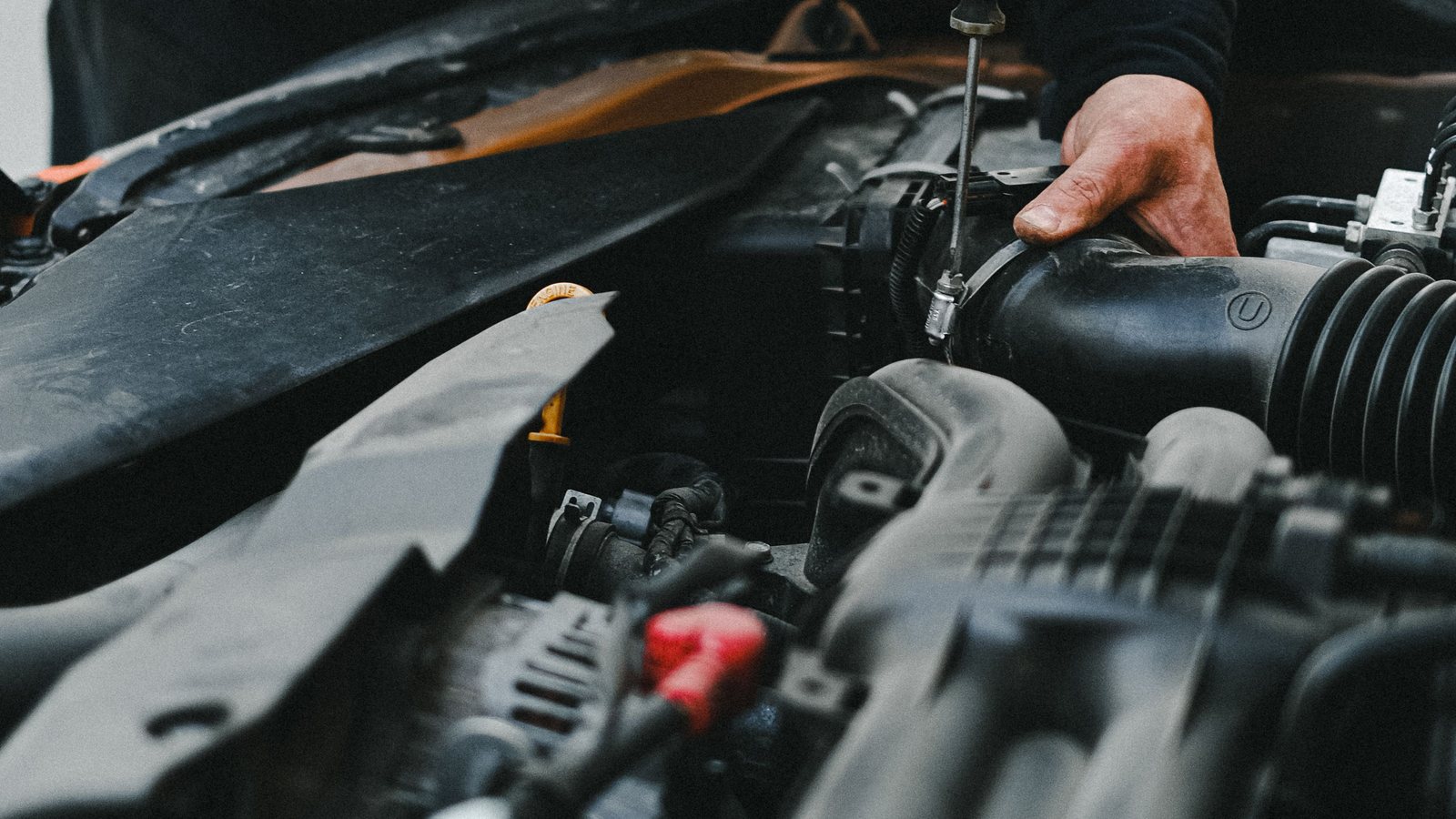
Engine and transmission problems can produce some of the most expensive symptoms a vehicle owner faces, which makes accurate diagnosis especially important. J & K Automotive Inc provides engine and transmission service in Apopka for vehicles with overheating, misfires, oil or coolant leaks, abnormal noises, reduced power, delayed engagement, slipping, harsh shifting or transmission-fluid concerns. The first objective is to identify the failed system and the extent of the problem so you can make a repair decision based on the vehicle's actual condition instead of assuming the entire engine or transmission needs replacement.
Engine problems that deserve prompt attention
An engine depends on lubrication, cooling, fuel, ignition, air management and mechanical sealing. A failure in any one of those areas can create symptoms that seem more serious or more general than the underlying cause. A rough-running engine may have an ignition or fuel problem rather than internal damage. An overheating engine may have a cooling-system leak, thermostat, fan, pump or flow problem. Oil leakage can range from a manageable gasket seep to a rapid loss that threatens lubrication.
Warning signs that should not be ignored include a red oil-pressure light, overheating warning, heavy knocking, persistent misfire, visible smoke, sudden loss of power, coolant loss or a rapidly falling oil level. Continuing to drive through a serious lubrication or overheating problem can turn a repairable external issue into internal engine damage.
How engine diagnosis separates symptoms from root causes
Engine diagnosis begins with the complaint and evidence. Scan data can identify misfire patterns and sensor behavior; cooling-system pressure tests can help locate leaks; compression or leak-down testing can evaluate cylinder sealing when needed; oil-pressure testing can verify lubrication concerns; and electrical tests can determine whether a component is receiving the correct power and command.
The right test depends on the symptom. Replacing spark plugs will not fix low compression. Replacing an oxygen sensor will not repair a vacuum leak. Installing a thermostat will not correct a failed cooling fan. A structured diagnostic process is particularly valuable on major mechanical work because it reduces the risk of spending money on parts that do not address the failure.
Transmission symptoms and what they can mean
Automatic, CVT, dual-clutch and manual transmissions operate differently, but they all depend on correct fluid condition, controls and mechanical integrity. Symptoms can include delayed engagement into drive or reverse, engine speed rising without corresponding acceleration, harsh or erratic shifts, shuddering, fluid leaks, unusual whining or grinding, a transmission warning message or the vehicle entering a reduced-power mode.
Not every shift complaint requires internal transmission repair. Engine-performance problems, electrical faults, low voltage, sensor issues, mounts, axles and software or adaptation concerns can sometimes feel like a transmission problem. That is another reason diagnosis should precede major replacement decisions.
Transmission fluid service and leak diagnosis
Transmission fluid lubricates components, transfers hydraulic pressure in many designs and carries heat away from the transmission. The correct fluid is critical; different transmissions may require very specific formulations and service procedures. Some units have dipsticks, while others use fill plugs and temperature-dependent level checks. Service intervals also vary, so the manufacturer's maintenance information should guide fluid service.
A transmission leak should be traced to its source. Pan seals, axle seals, cooler lines, housings and other points can leak, but appearance alone may be misleading because fluid can travel across underbody components. If the fluid level becomes too low, shift quality and internal lubrication can suffer. Repeatedly adding fluid without fixing the source is not a long-term solution.
Repair, rebuild or replacement: how the decision is made
Major engine or transmission work can have multiple repair paths. A localized external component may be repairable without opening the assembly. Internal damage may require more extensive repair, a rebuild or replacement with a remanufactured, new or used unit depending on availability, vehicle value and the nature of the failure. The most economical option is not always the cheapest initial option; warranty coverage, expected service life, labor overlap and related parts should be considered.
Before authorizing major work, ask what testing confirmed the failure, what components are included in the estimate and whether related causes have been addressed. For example, if an engine overheated, the cause of overheating must be corrected along with any resulting damage. If a transmission failed after a cooling-system or contamination problem, the supporting systems may need attention as part of the repair.
Preventing major mechanical damage
Routine maintenance cannot prevent every failure, but it can reduce avoidable damage. Keep engine oil at the correct level, repair cooling-system leaks, investigate overheating promptly, use the specified transmission fluid, address warning lights and do not ignore a new leak or major change in shifting. If a vehicle is used for towing or severe service, follow the manufacturer schedule for those operating conditions.
Paying attention to symptoms early also provides more repair choices. A small coolant leak found before overheating is very different from an engine driven until it seizes. A transmission leak corrected before the unit runs low may avoid damage that occurs after prolonged slipping or overheating.
Engine and transmission service at J & K Automotive in Apopka
J & K Automotive Inc is an ASE Certified Shop and ACDelco Repair Center that lists engine and transmission, engine maintenance and transmission services among its capabilities. The shop is located at 1012 E Semoran Blvd in Apopka and also performs electrical and electronic diagnosis, which is important because modern powertrains integrate mechanical systems with multiple control modules and sensors.
If your vehicle has a major mechanical symptom, call before continuing to drive it. Describe warning lights, noises, leaks, overheating, shifting behavior and when the problem began. That information helps the shop determine the safest next step and prepare for diagnosis.
Why overheating, vibration and leaks should be diagnosed as connected symptoms
Major powertrain complaints often overlap. An engine that is not running correctly can create vibration that feels like a transmission shudder. A worn mount can make normal engagement feel harsh. A cooling-system fault can overheat both the engine and, on some vehicles, transmission fluid routed through a heat exchanger in the radiator or a separate cooler. Fluid appearing under the vehicle may travel along shields and crossmembers before it drips, so the location of the puddle is not always the location of the leak.
This overlap is why a complete symptom history matters. Tell the shop whether vibration happens in park, during acceleration, at a particular speed or only while shifting. Note whether an overheating event occurred before the transmission began acting differently, whether a leak changes color or smell, and whether the problem started immediately after another repair. These observations can help separate engine, transmission, mount, axle, cooling and electrical causes.
Modern vehicles also share data between the engine and transmission control systems. A throttle, airflow or misfire problem can influence shift strategy, while a transmission fault can cause the engine controller to reduce power. Reading all relevant modules and testing the mechanical systems together is more effective than assuming one assembly has failed based only on how the symptom feels from the driver's seat. J & K Automotive's combination of engine, transmission, electrical and electronic service supports that broader diagnostic approach.
Call J & K Automotive to make a service appointment
For service in Apopka, call (407) 880-3530. Tell us your vehicle year, make and model and describe the maintenance need, warning light or symptom you want checked.
Frequently Asked Questions
Not necessarily. The check engine light can be triggered by emissions, ignition, fuel, sensor, electrical and other faults that do not require internal engine repair. Diagnostic testing should determine the cause before any major mechanical work is recommended.
Overheating, low oil pressure, heavy knocking, persistent misfires, large coolant or oil loss, visible smoke and sudden power loss deserve prompt attention. Some of these symptoms can cause additional damage if the engine continues to run, so contact the shop before driving farther if the condition is severe.
Possible causes include low or incorrect fluid, hydraulic or control faults, worn internal components or other powertrain problems. The exact cause depends on transmission design and when the slip occurs. Diagnosis should include fluid condition, codes and operating data as appropriate.
No. External sensors, wiring, solenoids, mounts, fluid leaks and even engine-performance problems can sometimes create symptoms that feel like internal transmission failure. Testing helps determine whether the problem is external, service-related or truly internal.
Follow the manufacturer’s maintenance schedule and use the exact fluid specification required for the transmission. Service methods vary considerably, especially on sealed units and CVTs. A fluid change cannot repair existing internal damage, but correct maintenance can be important for long-term operation.
Turn off the air conditioning, safely pull over and stop the engine if the temperature is continuing to rise or an overheat warning appears. Do not remove a hot cooling-system cap. Arrange for diagnosis rather than repeatedly driving an overheating vehicle, because severe heat can damage the engine.
The decision depends on the failed component, extent of internal damage, mileage, vehicle value, parts availability, labor, warranty options and expected service life. A confirmed diagnosis is essential before comparing repair, rebuild or replacement choices.
Call J & K Automotive Inc at (407) 880-3530. Explain the symptoms, warning lights, leaks, noises, overheating or shifting problems and whether the vehicle is currently safe to drive. Provide the year, make, model and engine if known.
-
J & K Automotive Inc
Phone: (407) 880-3530
Location
1012 E Semoran Blvd
Apopka, FL 32703
Business Hours
Today 8:30 AM - 5:30 PM
Monday - Friday 8:30 AM - 5:30 PM
Weekends Closed
Our Services
-
- 4x4 Services
- Wheel Alignment
- Auto Detailing
- Brakes
- Car & Truck Care
- Collision Repair Services
- Domestic Cars & Trucks
-
- Electric and Hybrid Vehicle
- Electrical Services
- Electronic Services
- Engine & Transmission
- Engine Maintenance
- General Services
- Heating and Cooling Services
-
- Import Cars & Trucks
- Miscellaneous Services
- Quick Lube Services
- Tires
- Towing
- Transmission Services
- Under-car Services
CALL US TODAY!(407) 880-3530
-
Location
-
Business Hours
Today 8:30 AM - 5:30 PM
Mon - Fri 8:30 AM - 5:30 PM
Weekends Closed -
We Accept
-
Find Us On





© J & K Automotive Inc All Rights Reserved. Powered by: Local Internet