| Monday: | 8:30 AM - 5:30 PM |
| Tuesday: | 8:30 AM - 5:30 PM |
| Wednesday: | 8:30 AM - 5:30 PM |
| Thursday: | 8:30 AM - 5:30 PM |
| Friday: | 8:30 AM - 5:30 PM |
| Saturday: | Closed |
| Sunday: | Closed |


Brake Repair & Brake Service in Apopka, FL
-
Pads, Rotors, Brake Lines & System Diagnosis
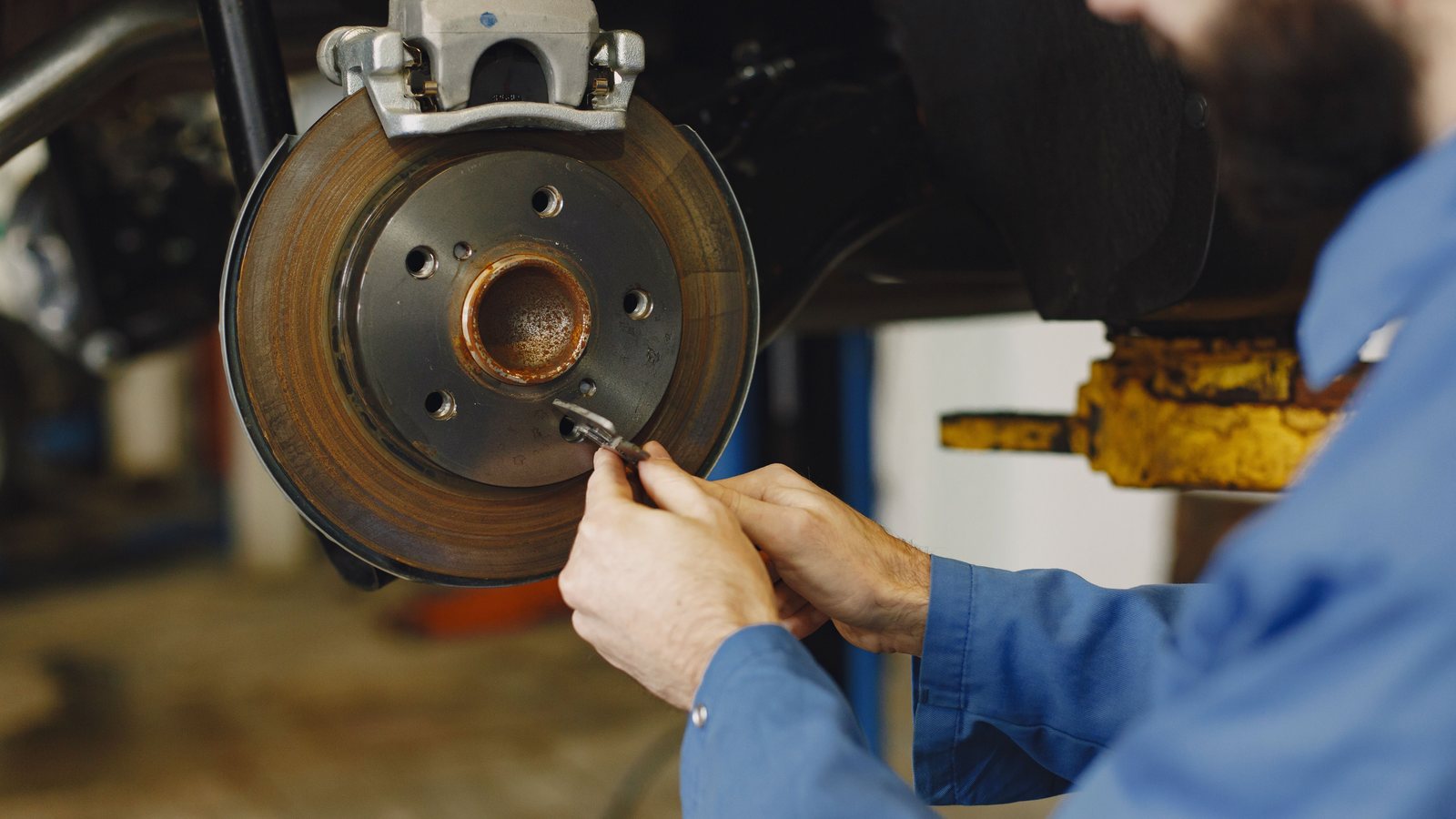
Brake problems should be evaluated before a minor wear item becomes a safety concern or damages additional components. J & K Automotive Inc provides brake service in Apopka for vehicles with squealing, grinding, pedal changes, vibration, warning lights or routine brake-maintenance needs. Service can involve brake-pad replacement, rotor evaluation, brake-line and hose checks, fluid inspection, caliper diagnosis and related testing based on the symptoms and vehicle design. The important part is determining why the brake system is behaving differently before replacing parts.
What a complete brake inspection looks for
A useful brake inspection considers the system as a whole. Disc-brake components include pads, rotors, calipers, hardware and flexible hoses, while many vehicles also use drum-brake components on the rear or an electronic parking-brake mechanism. Hydraulic pressure depends on the master cylinder, fluid, lines and hoses. ABS and stability-control systems add wheel-speed sensors, hydraulic control units and electronic monitoring.
Technicians typically compare friction-material thickness, rotor condition, signs of overheating, caliper movement, visible leakage, hose condition and the way the brake pedal feels. Uneven pad wear between the inner and outer pad or between sides of the vehicle can indicate a mechanical problem that should be corrected rather than simply installing new pads. A brake-line inspection is also important in any vehicle showing fluid loss, a soft pedal or visible corrosion or damage.
Brake pads, rotors and resurfacing decisions
Brake pads are designed to wear, while rotors absorb and dissipate heat from the braking process. As pads wear down, the rotors can develop scoring, heat spots, thickness variation or corrosion. Rotor resurfacing may be appropriate on some vehicles when the rotor is in serviceable condition and will remain above the manufacturer's minimum thickness after machining. In other cases, replacement is the better choice because the rotor is too thin, damaged, heavily corroded or not cost-effective to machine.
The objective is a stable friction surface and consistent braking on both sides of an axle. Installing pads against severely damaged rotors can shorten pad life and contribute to noise or pulsation. Likewise, replacing rotors without correcting a sticking caliper or hardware issue can allow the same wear pattern to return.
What squealing, grinding and brake pulsation can mean
Brake noise is information, but the sound alone does not identify the exact repair. A high-pitched squeal can come from wear indicators, pad material, glazing, vibration or hardware. Grinding may mean friction material is worn through, but debris, rust or a mechanical contact issue can also produce harsh noise. Either way, grinding should be inspected quickly because metal-to-metal contact can damage rotors and reduce braking performance.
A pulsation felt through the pedal or steering wheel during braking can be associated with rotor thickness variation, uneven friction transfer, hub or wheel issues, or looseness elsewhere in the chassis. The speed, pedal pressure and driving conditions under which it happens help narrow the cause. Brake diagnosis should therefore include both a physical inspection and a road-test evaluation when safe and appropriate.
Brake fluid, lines and pedal feel
Brake fluid transmits pedal force through the hydraulic system. A low fluid level can be related to normal pad wear, but it can also indicate a leak. A pedal that suddenly feels soft, sinks unusually far, or requires pumping should be treated seriously. External leakage from a line, hose, caliper or wheel cylinder can reduce braking ability, while internal hydraulic faults may not leave an obvious puddle.
Brake fluid also absorbs moisture over time. Service intervals and fluid specifications vary by manufacturer, so fluid replacement should follow the vehicle's maintenance requirements and condition rather than a universal schedule. If the fluid is contaminated, the wrong fluid has been added or hydraulic work is performed, proper bleeding and service procedures are important for pedal feel and ABS operation.
Brake warning lights and ABS concerns
A red brake warning may indicate the parking brake is applied, low fluid, a hydraulic issue or another system condition depending on the vehicle. An amber ABS light usually means the anti-lock system has detected a fault. Normal base braking may still be present with some ABS faults, but anti-lock or stability functions may be limited. If warning lights appear together or the pedal feels abnormal, the vehicle should be inspected promptly.
Electronic fault codes are only part of the diagnosis. Wheel-speed sensor readings, wiring, tone rings, hydraulic components and mechanical brake condition may all need to be considered. Replacing a sensor solely because a code mentions that circuit can miss damaged wiring, wheel-bearing play or other causes.
Brake service for Apopka traffic and Florida weather
Heat and repeated stop-and-go driving create frequent brake cycles, while Florida rain places a premium on predictable braking and good tire contact. If you commute through busy Central Florida traffic, tow, carry heavy loads or regularly drive short urban trips, brake wear can differ from a vehicle that spends most of its time cruising at steady highway speed. Listening for new noises and paying attention to pedal feel can catch changes before a warning becomes urgent.
J & K Automotive Inc is an ASE Certified Shop and ACDelco Repair Center in Apopka. The shop also services tires, steering and under-car systems, which is useful because brake vibration and pulling can overlap with tire or suspension symptoms. Call for an appointment if braking has changed or if you want the system inspected before a trip.
Why brake wear can be different from one wheel to another
Brake pads on the same axle should generally wear in a reasonably consistent pattern, but real-world conditions can create significant differences. A caliper slide that does not move freely, a sticking piston, damaged hardware, a restricted flexible hose or a parking-brake mechanism that does not release correctly can keep one brake applied more than the others. The driver may notice a burning smell, excess brake dust on one wheel, pulling, reduced fuel economy or a wheel that becomes unusually hot after a short drive.
Uneven wear matters because simply replacing the thinnest pad does not correct the reason it wore out early. During brake service, the technician should compare components side to side and look for evidence of binding, leakage, heat damage and hardware problems. Correcting the cause helps the new pads and rotors wear more predictably and preserves consistent braking force across the axle.
Driving habits also influence brake life. Frequent short trips, stop-and-go traffic, carrying heavy loads, towing and repeated hard braking create more heat than steady highway travel. Hybrid and electric vehicles can use regenerative braking to reduce friction-brake use in some conditions, but their conventional brake hardware still needs inspection because low use, moisture and corrosion can create different maintenance concerns. The best service interval is therefore based on inspection and vehicle-specific maintenance guidance, not a single mileage number for every driver.
Call J & K Automotive to make a service appointment
For service in Apopka, call (407) 880-3530. Tell us your vehicle year, make and model and describe the maintenance need, warning light or symptom you want checked.
Frequently Asked Questions
Common clues are squealing, a wear warning, reduced pad thickness found during inspection, or changes in braking feel. Some vehicles use electronic pad sensors, while others rely on mechanical wear indicators. Because driving style and vehicle weight affect wear, mileage alone is not a reliable way to predict remaining pad life.
Sometimes. A rotor must be in good condition and remain above the manufacturer’s minimum thickness after machining. Deep scoring, cracks, severe corrosion, heat damage or insufficient thickness can make replacement the better option. The technician should measure and inspect the rotor before deciding.
Brake pulsation can be related to rotor thickness variation or uneven friction surfaces, but tire, wheel, hub and suspension conditions can produce similar sensations. Diagnosis should consider where the vibration is felt, what speeds trigger it and whether it occurs only during braking.
Grinding should be inspected as soon as possible. It can indicate that friction material has worn away and metal components are contacting each other, which can increase stopping distance and damage rotors or other brake parts. If braking performance is reduced or the pedal feels unsafe, do not continue driving the vehicle.
Possible causes include air in the hydraulic system, a fluid leak, a failing hydraulic component, hose expansion or other brake-system faults. Because pedal feel is directly related to braking control, a new soft or sinking pedal deserves prompt diagnosis.
The red brake warning can relate to the parking brake, fluid level or hydraulic system depending on the vehicle. The amber ABS light indicates a fault detected in the anti-lock system. The exact meaning varies by make and model, so warning lights should be diagnosed rather than cleared without testing.
Many manufacturers specify brake-fluid service by time, condition or maintenance schedule. Brake fluid absorbs moisture, and the correct type is important for the hydraulic and ABS systems. Follow the vehicle manufacturer’s specification and have contaminated or incorrect fluid addressed properly.
Call J & K Automotive Inc at (407) 880-3530. Describe any squealing, grinding, pulling, vibration, warning lights or pedal changes and tell the shop the year, make and model of the vehicle so the team can plan the inspection.
-
J & K Automotive Inc
Phone: (407) 880-3530
Location
1012 E Semoran Blvd
Apopka, FL 32703
Business Hours
Today 8:30 AM - 5:30 PM
Monday - Friday 8:30 AM - 5:30 PM
Weekends Closed
Our Services
-
- 4x4 Services
- Wheel Alignment
- Auto Detailing
- Brakes
- Car & Truck Care
- Collision Repair Services
- Domestic Cars & Trucks
-
- Electric and Hybrid Vehicle
- Electrical Services
- Electronic Services
- Engine & Transmission
- Engine Maintenance
- General Services
- Heating and Cooling Services
-
- Import Cars & Trucks
- Miscellaneous Services
- Quick Lube Services
- Tires
- Towing
- Transmission Services
- Under-car Services
CALL US TODAY!(407) 880-3530
-
Location
-
Business Hours
Today 8:30 AM - 5:30 PM
Mon - Fri 8:30 AM - 5:30 PM
Weekends Closed -
We Accept
-
Find Us On





© J & K Automotive Inc All Rights Reserved. Powered by: Local Internet